By Jillian Van Siclen, Parliament Visitor Host and Art and Collections Intern
The Parliamentary Collection is one of the most significant art and heritage collections in Aotearoa New Zealand. With over 4,500 art and objects, this eclectic collection features incredible taonga that tell the stories of Parliament’s people, spaces, and history.
Formalised in the 1990s, the Collection contains a breadth of items ranging from political memorabilia to artworks by prominent New Zealand artists. The Collection is largely displayed and stored on the Parliament precinct with a significant portion of the objects and art in spaces accessible to the public and parliamentarians alike.


The Collection has been steadily growing since the late 1800s, largely through items being gifted or bequeathed. A significant portion of the Collection are diplomatic gifts that other countries have presented to the people or leaders of Aotearoa. These gifts represent the strong relationships Aotearoa maintains with other nations and are emblematic of the connections it fosters across the globe. These gifts come in many shapes and sizes, such as ceremonial dishes, adorned trinket boxes, and statues of nationally significant animals


Another significant portion of the Collection was transferred to Parliament by the Ministry of Foreign Affairs and Trade in 1996 when art that was kept in Aotearoa’s High Commissions and Embassies abroad was returned back home. As a result of this transfer, the Collection received 38 paintings by significant artists from Aotearoa such as Colin McCahon, Frances Hodgkins, and Ralph Hōtere, among others.


Additionally, the Collection has many items directly related to the people of Parliament, including portrait sets of politicians, historical photographs, and items which belonged to former parliamentarians. Items directly related to the buildings have been collected over time as well, including original 1970s carpet samples from the Beehive, staff uniforms, paperweights and many of the catering items from the in-house Bellamy’s restaurant, which has fed politicians since the 1850s.


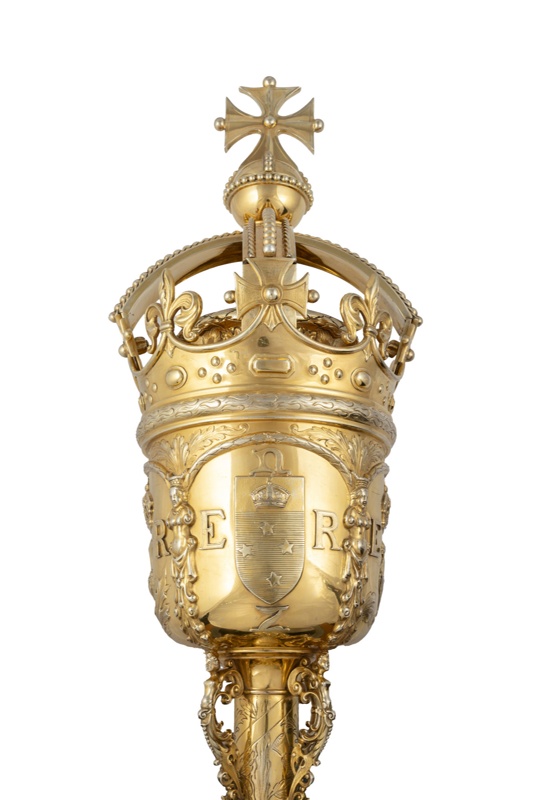
Unique to the Collection are the working heritage objects that are both part of the Collection and have an official function at Parliament. For example, the Mace is an important object in our Parliamentary process in that it symbolises the authority of the Speaker of the House and the House of Representatives. It has its origins in medieval England where the Sargeant-at-Arms served as the King’s bodyguard and carried a mace as a weapon. Today, this 1.4 metre ceremonial object is physically present when the House is in session, and it is a symbol Aotearoa shares with other Commonwealth Parliaments around the world. When the Mace is not being used in the Debating Chamber, it is displayed in the Visitor’s Centre of the Beehive for guests to learn about the role of this historically significant object.


The taonga in this distinct collection embody many significant moments in Aotearoa’s political and diplomatic history. Each object has a story to tell – how it came into the Parliamentary Collection and what it signifies about Aotearoa’s culture. Through its diverse art and objects, the Collection celebrates Aotearoa’s international relationships and informs our understanding of the country’s political present and past.


There are many ways to experience the Collection, such as free art tours on the Parliamentary precinct, visiting Te Papakura (which hosts different exhibitions around every three months), and exploring the digitised collection online. The Art and Collections team continues to expand access to the Collection, notably in an ongoing programme to photograph, digitise, and create access to the Collection online so its stories can be shared far beyond the Parliamentary precinct.